

Frequently asked questions
Static or rotating – which torque sensor do I need?
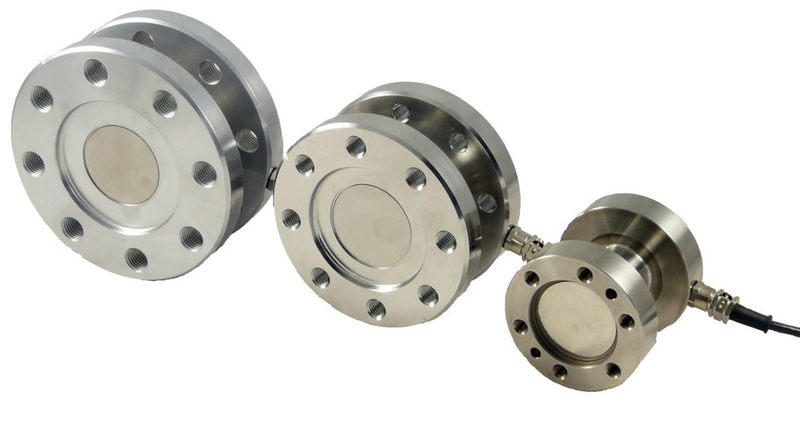
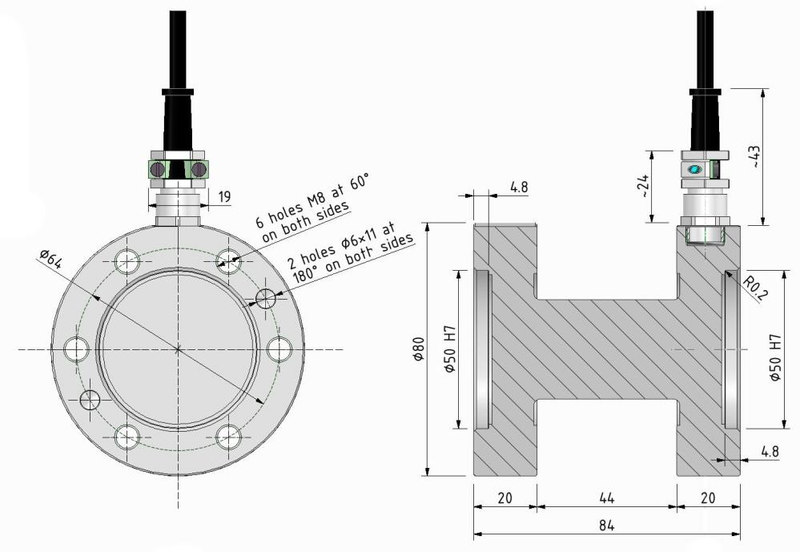
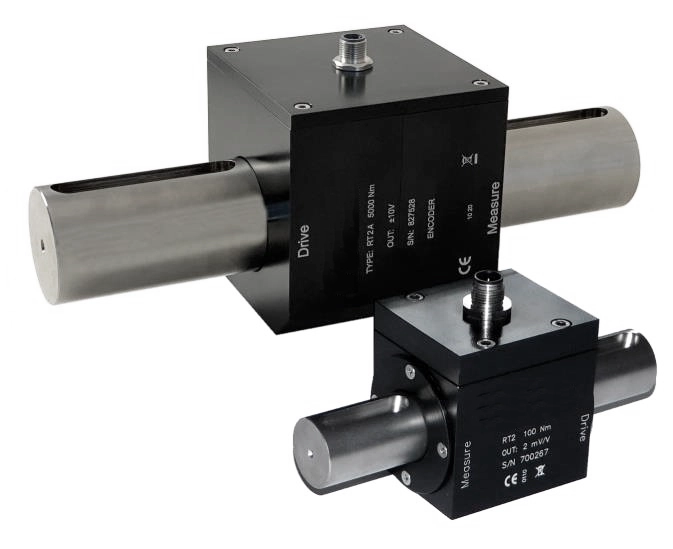
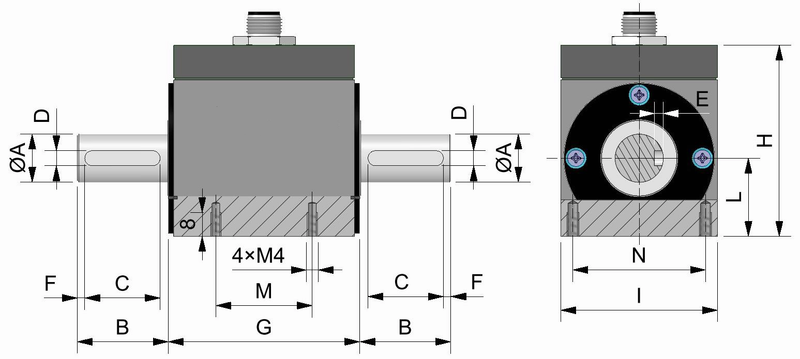
A static sensor measures the reaction torque and is fixed between the drive and its abutment. It is simpler and less expensive, but only works if nothing rotates continuously in operation. A rotating sensor sits in the drive shaft and transmits its signal without contact – necessary for test benches, gearboxes and anything measured while turning.
Why does a torque sensor need couplings?
The sensor should see torque only. Misalignment, axial forces and bending moments from the shaft distort the measurement and load the sensor mechanically. Compensating couplings on both sides absorb those components; without them measuring errors and bearing damage are the rule rather than the exception.
How large should the measuring range of a torque sensor be?
As with force: the expected maximum torque should sit at around 70 to 80 percent of the rated torque. Starting torques and load peaks have to be taken into account, as they often reach a multiple of the continuous torque – the sensor is sized for the peak, not for the average. An oversized sensor uses only part of its range and becomes less accurate in absolute terms.